
If a tree falls in the forest…
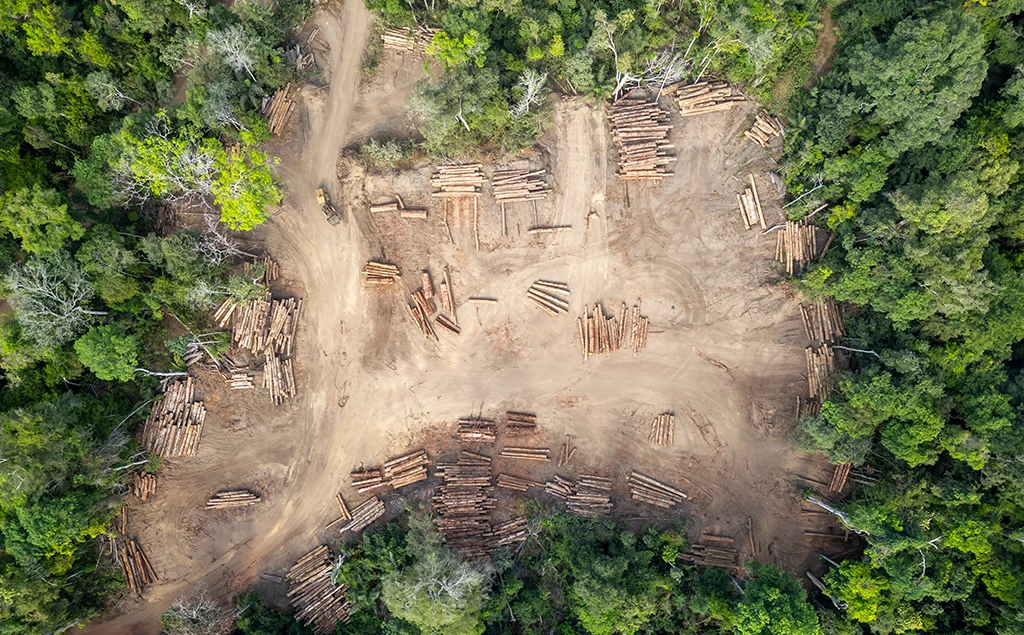
The classic thought experiment about whether a tree falling makes a sound if no-one is there to hear it has another connotation these days. Trees, especially oil palms and rubber trees but all other trees as well, enjoy a special scrutiny. EU has introduced regulation concerning deforestation – EUDR. And that means that in the very near future the trees falling are at least seen, even though the noise they make falling down still remains a bit of a mystery.
In a nutshell the EU Deforestation Regulation states that certain products cannot be put on the EU market, if the production of said products has caused deforestation. These product categories are:
- Cattle
- Cocoa
- Coffee
- Oil Palm
- Rubber
- Soy
- Wood
Each of the categories have a strict list of products it applies to. The whole list can be found at Regulation – 2023/1115 – EN – EUR-Lex. Check the first annex.
This means that if you manufacture such products, import them into EU, export them from EU or trade them, you need to prepare a Due Diligence Statement where you ascertain that these particular products are sustainably produced. If you don’t comply, it’s more of a stick and less of a carrot for the company. The fines can be quite high (4% of last year’s turnover + goods confiscated + other collateral damage).
So yes, this requires some attention.
Companies must be able to accurately trace the origins of the raw materials used in their products. Tracing means in this context that the whole supply-chain needs to be looked into all the way to the forest where the tree was felled. Or the cow was pasturing. Or the beans picked.
If you “only” trade such products you can rely on the upstream supply-chain and their Due Diligence Statements. But if you import (or export) such goods into EU you are the operator who is responsible for the Due Diligence.
But traders don’t get off the hook entirely. If you are larger trader than a SME, you still need to provide the authorities with your Due Diligence Statements from your Due Diligence System.
Whether the plot of land has suffered deforestation or not is to compare the situation to before 2021. So you would need some analytical evidence, and one way to go is using satellite imagery as the basis for the analysis. Which means that the geolocation of the raw material site needs to be known. And current status needs to be analyzed against the situation in 2020.
From Data Management perspective we encounter surprisingly complex stuff. The product batches need to be linked into a Due Diligence Statement IDs. A new one needs to be composed complete with risk analyses and mitigation plans. That is the simple case. And even that takes some effort. The more affected products you have, the more effort that takes.
For the importers or other such operators more in the upstream of supply-chain, the situation gets trickier. The batches need to be tracked from raw materials to compounds to products to import batches together with geolocations, bio-mass analyses, field reports and risk analyses. This requires some serious data management.
To comply you would need to do an assessment for how the regulation applies to you. And then start with the necessary actions. All in all EUDR means that processes, governance, data practices and tooling needs to be looked into. The 2025/2026 deadline is approaching. We can hear the clock ticking if not the trees falling.